Kalash Valley's Habitation Plan Workshop Held in Islamabad
2025
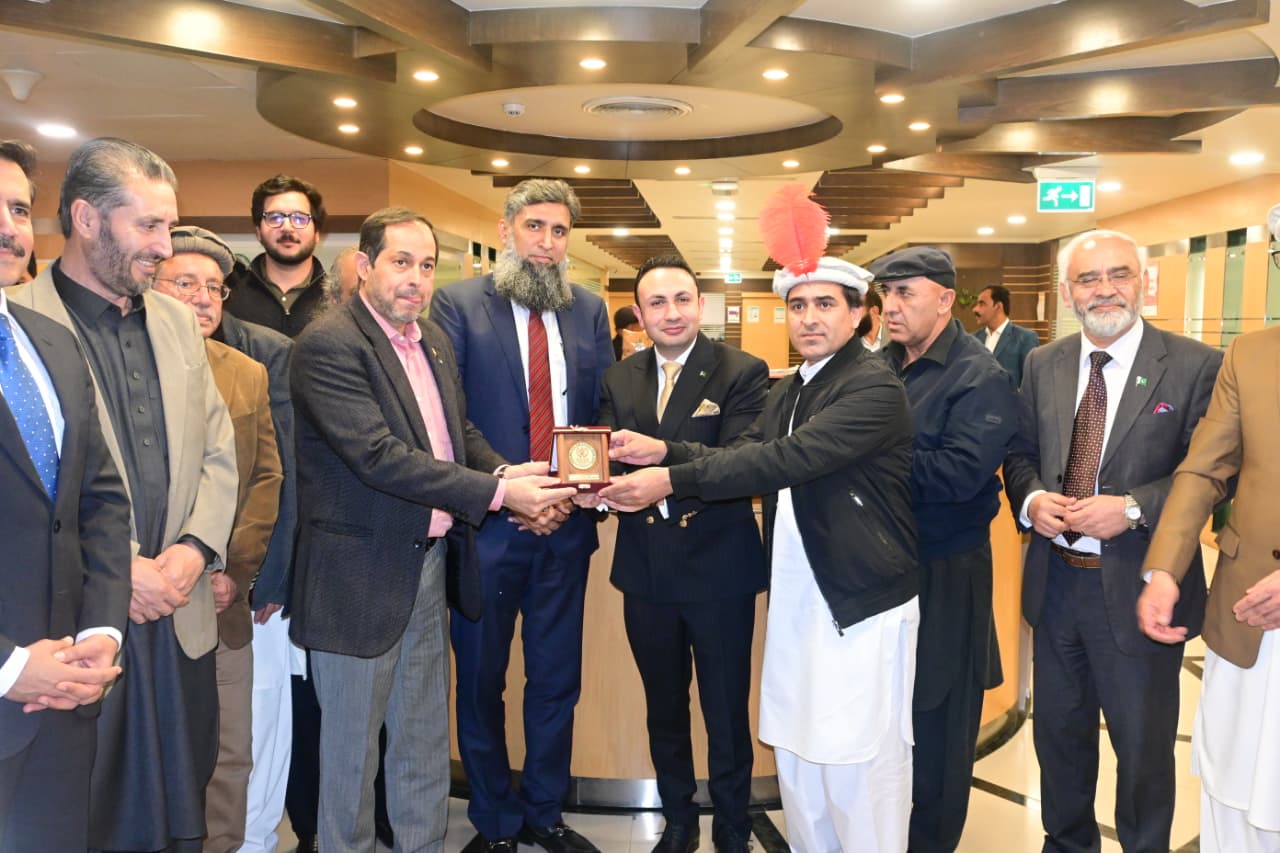
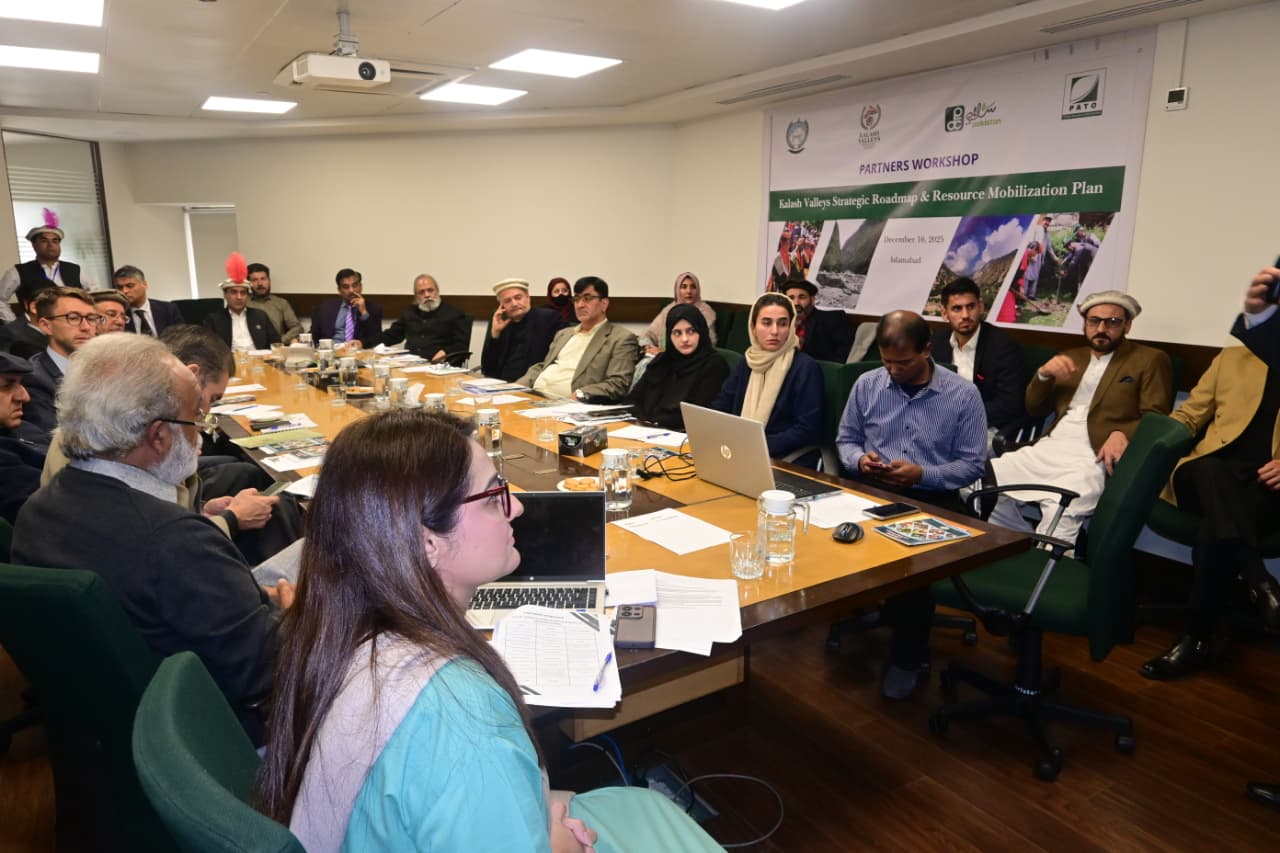
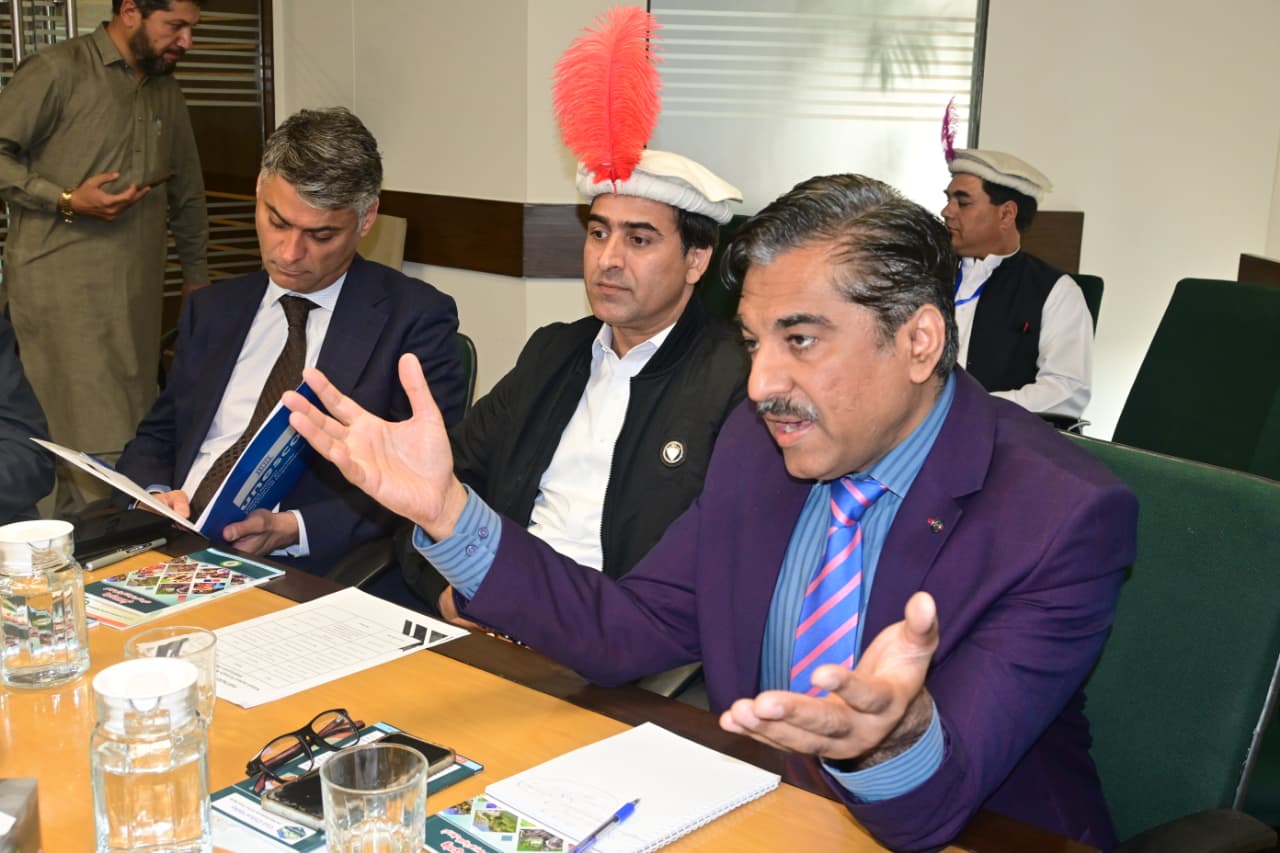
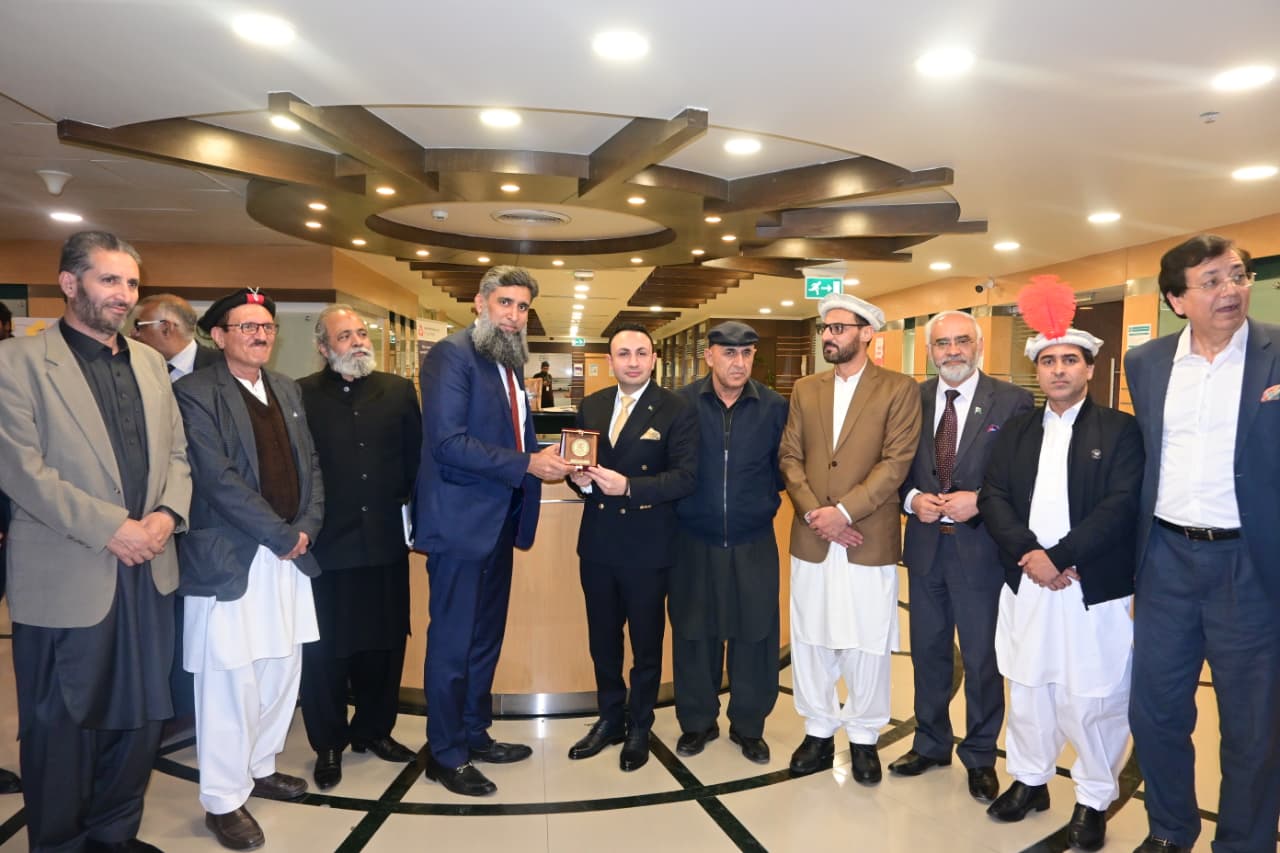
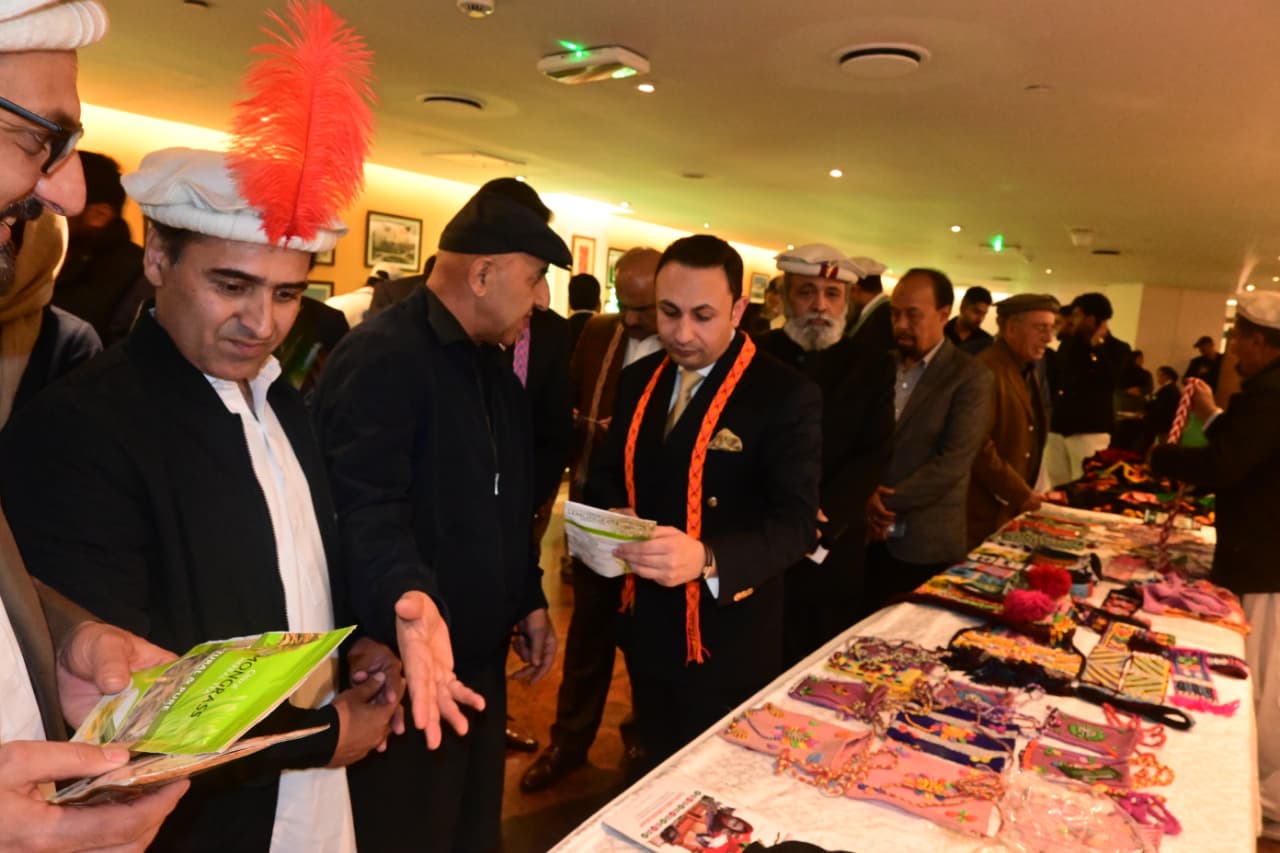
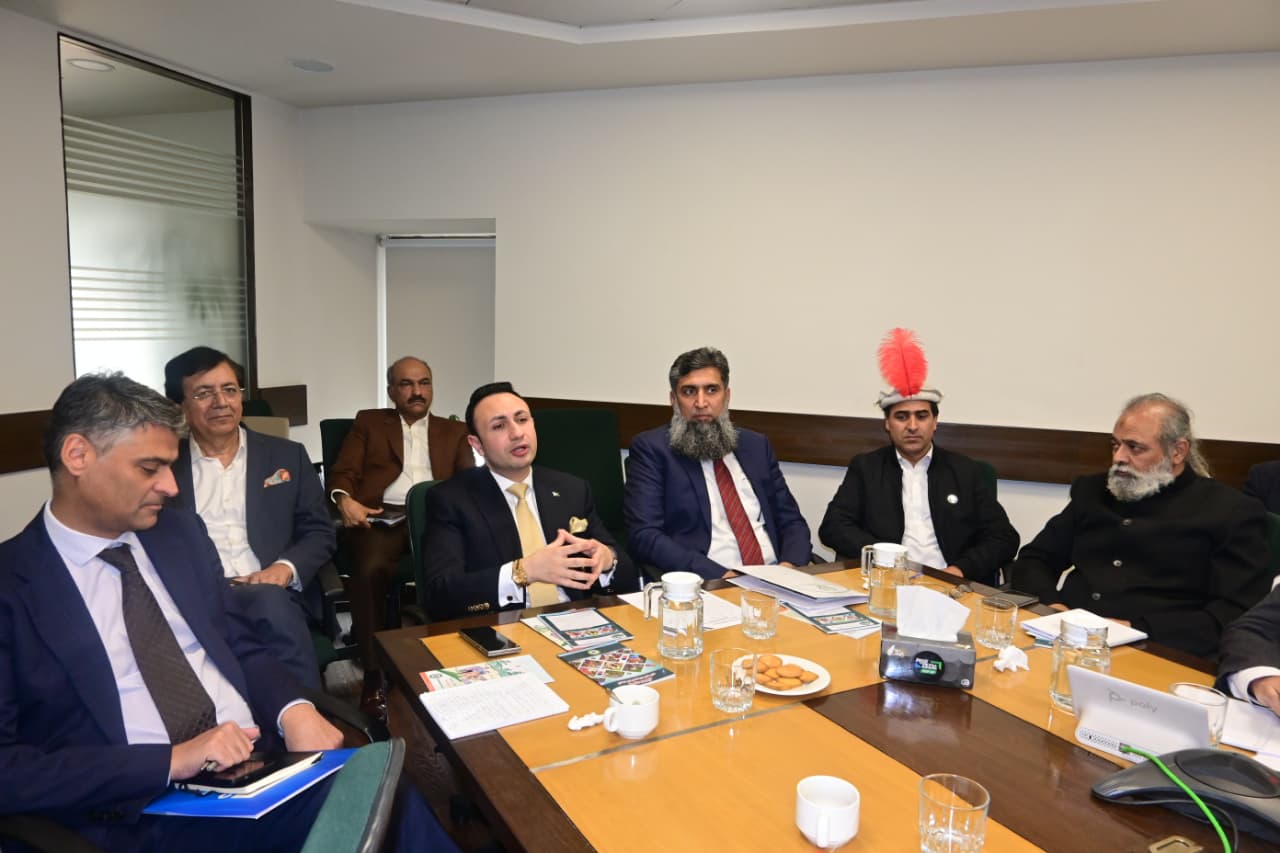
Islamabad, 16 December 2025 — The Kalash Valleys Development Authority (KVDA), in collaboration with the Pakistan Tourism Development Corporation (PTDC), organized a high-level consultation workshop on Sustainable Habitation Planning and Cultural Preservation of the Kalash Valleys in Islamabad. The workshop was held in partnership with the Aga Khan Development Network (AKDN) and brought together key national and international stakeholders working in the fields of tourism, heritage conservation, and sustainable development. The session was chaired by Mr. Sardar Yasir Ilyas Khan, Coordinator to the Prime Minister on Tourism, while Mr. Nasir Iqbal, Additional Secretary, Ministry of Inter-Provincial Coordination (IPC), co-chaired the proceedings. The workshop aimed to develop a comprehensive and sustainable habitation framework that safeguards the unique cultural identity, architectural heritage, and fragile ecosystem of the Kalash Valleys.
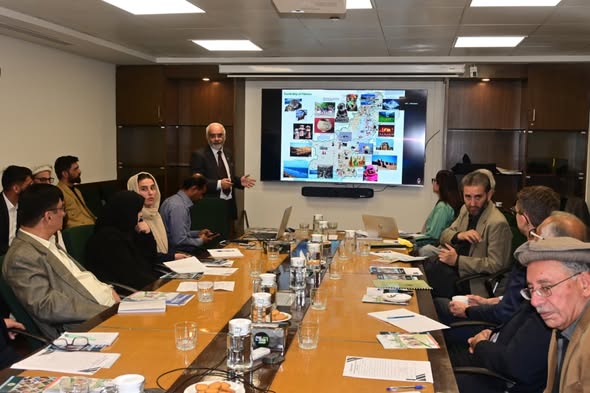
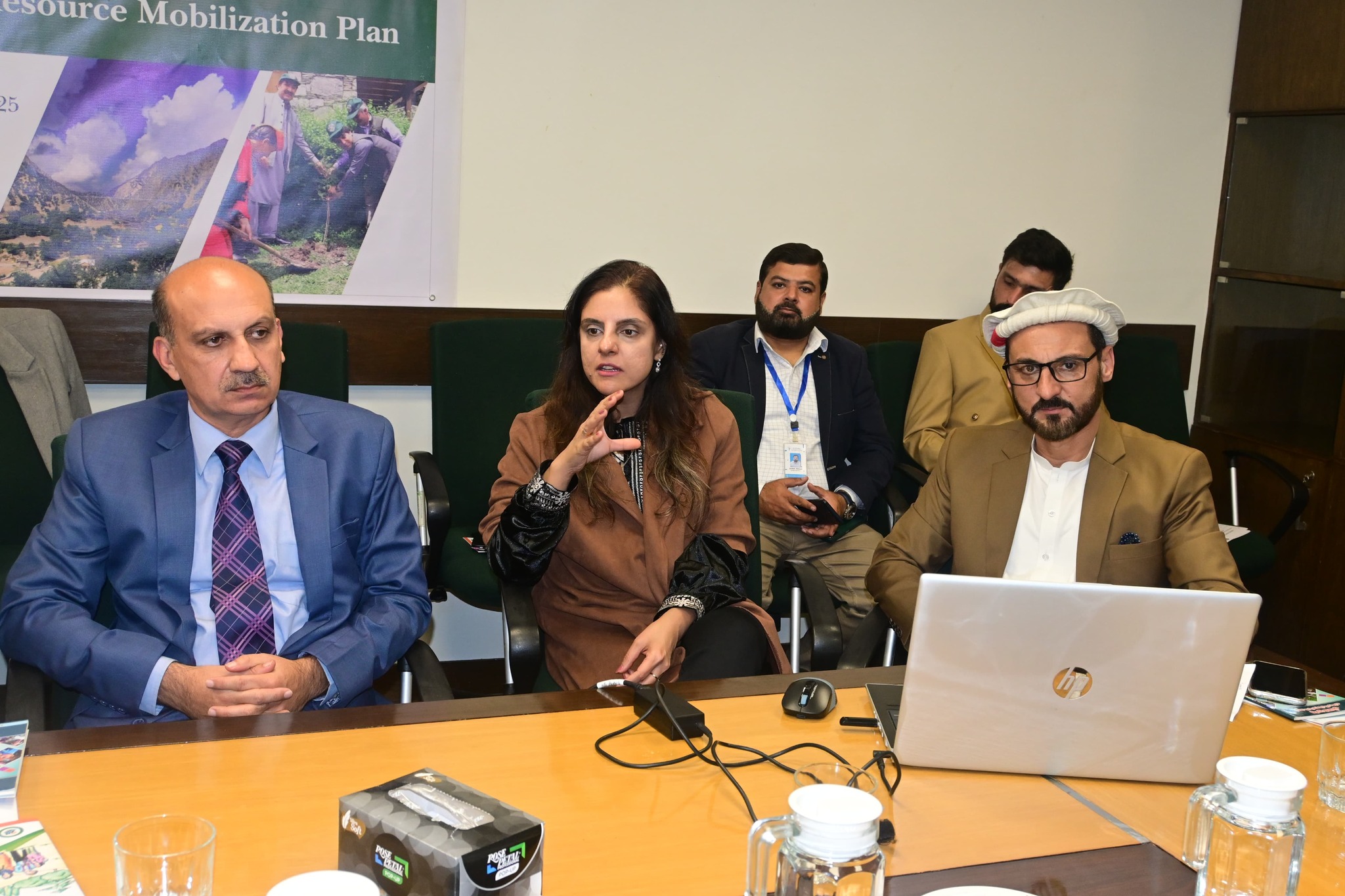
During the workshop, the Director General, KVDA presented the proposed habitation plan, outlining strategies for planned development, community involvement, and environmental protection. A documentary was also screened, highlighting the historical, cultural, and environmental significance of the Kalash Valleys and emphasizing the need for immediate and coordinated conservation efforts. The Managing Director PTDC, Mr. Aftab-ur-Rehman Rana, delivered a detailed presentation focusing on sustainable tourism development and heritage protection in the Kalash Valleys. He emphasized responsible tourism practices, infrastructure planning aligned with local traditions, and the importance of preserving the Kalash way of life while promoting tourism as a tool for inclusive economic development.
Experts and representatives from UNESCO, AKDN, the World Bank, the Pakistan Association of Tour Operators (PATO), KVDA, and other partner organizations actively participated in the discussions. The participants shared technical insights, international best practices, and policy recommendations for protecting this living heritage site while ensuring sustainable livelihoods for the local Kalash community.
The workshop concluded with a strong reaffirmation of commitment by all stakeholders to work collaboratively for the preservation of the Kalash Valleys’ cultural heritage, promotion of sustainable habitation, and responsible tourism development. The recommendations from the consultation will contribute towards shaping a long-term, integrated development framework for the Kalash Valleys, ensuring that modernization efforts remain in harmony with cultural and environmental values.